- Fees vary by location and vessel type.
- Planning itineraries can help optimize costs.
- Awareness of regulations enhances compliance and experience.
Indonesia is home to some of the world’s most diverse marine ecosystems, making it a prime location for boat charters. However, with this natural wealth comes a set of regulations, including marine park fees that can significantly affect the operation of charters. Understanding these fees is essential for both charter operators and their clients. This post will explore the implications of Indonesia’s marine park fees on charters, focusing on popular destinations such as Bali, Raja Ampat, the Komodo Islands, Lombok, Flores, and Sulawesi.
Overview of Marine Park Fees
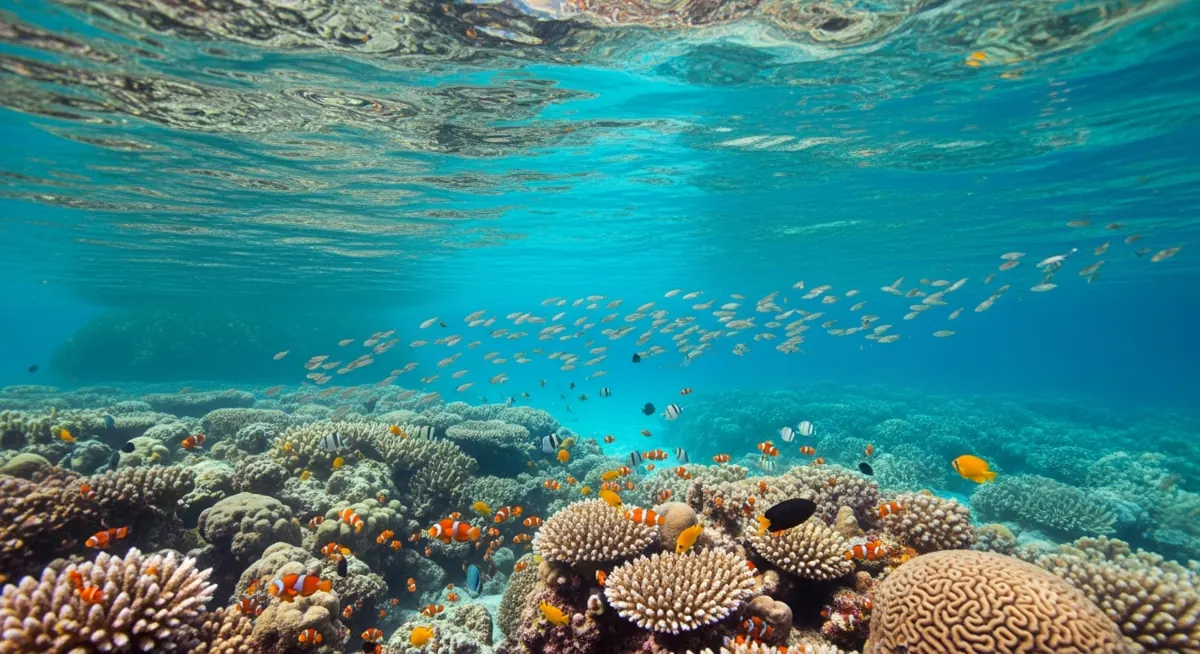
Indonesia has established numerous marine parks to protect its unique underwater ecosystems. Each park has its own fee structure, often determined by factors such as the type of vessel and the duration of stay. These fees are generally used to fund conservation efforts and maintain the parks. Understanding how these fees work is vital for planning successful charters.
Types of Fees
Marine park fees can be categorized into several types:
- Entrance Fees: Charged per person, these fees grant access to the marine park. Prices can range from IDR 50,000 to IDR 300,000 (approximately USD 3.50 to USD 21) depending on the destination.
- Vessel Fees: Some parks require additional fees based on the size and type of the vessel. For example, luxury yachts may incur higher fees compared to traditional phinisi boats.
- Environmental Fees: Aimed at supporting conservation initiatives, these fees can be added to the charter cost, often ranging from IDR 100,000 to IDR 500,000 (about USD 7 to USD 35) per day.
Impact on Charter Operations
The introduction of marine park fees has various implications for charter operators in Indonesia. Understanding these impacts can help businesses adapt and thrive.
Cost Considerations
Marine park fees contribute significantly to the overall cost of a charter. For instance, a week-long charter in Raja Ampat may incur fees exceeding IDR 2,000,000 (around USD 140) for a group of four people, just for entrance and environmental fees. Charter operators must factor these costs into their pricing strategies, which can affect competitiveness.
Itinerary Planning
Marine park fees can also influence itinerary planning. Operators may opt to adjust their routes based on the fees involved. For example, while the Komodo Islands are a popular destination, the associated fees can lead some operators to focus on less expensive areas such as Lombok or Flores. This strategy could help keep overall charter costs manageable.
Compliance and Legal Requirements
Charter operators must stay informed about legal requirements surrounding marine park fees. Failure to comply can result in fines or restrictions on future operations. Keeping abreast of changes in regulations is crucial to ensure a smooth charter experience. Operators should regularly check official sources or consult with local authorities.
Region-Specific Insights
Different regions in Indonesia have varying fee structures and regulations related to marine parks. Here’s a closer look at how these fees affect charters in key areas.
Bali
While Bali is primarily known for its vibrant culture, the surrounding waters like Nusa Penida and the Bali Marine Park have their own fee requirements. Entrance fees can be around IDR 75,000 (approximately USD 5.25) per person. Since many charters include multiple destinations, operators should communicate these costs to clients upfront.
Raja Ampat
Raja Ampat is a prime destination for diving and eco-tourism. Fees can be higher here, often reaching IDR 1,000,000 (about USD 70) per person for a week-long access pass. Charter operators targeting this area must include these costs in their pricing models, as they can significantly impact profitability.
Komodo Islands
The Komodo National Park charges an entrance fee of IDR 150,000 (around USD 10.50) per person, plus additional fees for vessels. Given the popularity of this destination, operators should ensure they have the necessary permits and budget for these fees well in advance.
Lombok and Flores
Fees in Lombok and Flores tend to be lower than in Raja Ampat and Komodo. For example, entrance fees in the Gili Islands can be around IDR 50,000 (approximately USD 3.50) per person. Operators may find these regions attractive for budget-conscious clients while still providing excellent experiences.
Sulawesi
Sulawesi’s marine parks, such as Bunaken, also have a fee structure that can vary based on the season. Entrance fees typically range from IDR 75,000 to IDR 100,000 (USD 5.25 to USD 7). Charter operators should consider these fees when planning trips, especially during peak seasons when demand is high.
Best Practices for Charter Operators
To navigate the complexities of marine park fees effectively, charter operators can adopt several best practices:
- Transparency: Clearly communicate all fees to clients upfront to avoid misunderstandings.
- Regular Updates: Stay informed about changes in fee structures and regulations to ensure compliance.
- Flexible Itineraries: Consider offering various itineraries that accommodate different budget levels while still providing quality experiences.
Understanding Marine Park Fees for Indonesian Charters
When planning a boat charter in Indonesia, it’s crucial to account for marine park fees, which can significantly influence the cost and logistics of your trip. These fees are not just administrative; they play a vital role in conservation efforts and maintaining the natural beauty of Indonesia’s marine environments. Charter operators need to navigate these fees carefully to ensure compliance and offer competitive packages. For more detailed information, check out our faq section.
For those organizing trips, a thorough grasp of these fees aids in providing transparent pricing and supports sustainable tourism practices. If you’re ready to plan your adventure, explore options with check availability or dive into our the Definitive Boat Charter Indonesia Guide guide for comprehensive insights.