- Assess the yacht’s eco-certifications and operations.
- Choose destinations that prioritize marine conservation.
- Consider the impact of your charter on local communities.
Indonesia, with its rich marine biodiversity and striking archipelago, offers a unique opportunity for eco-friendly yacht charters. If you’re interested in luxury yachts, traditional phinisi boats, or diving liveaboards, understanding how to select an environmentally responsible yacht charter can enhance your experience while contributing to the preservation of Indonesia’s valuable ecosystems. Here’s a comprehensive guide on how to choose an eco-friendly yacht charter in Indonesia.
Understanding Eco-Friendly Practices
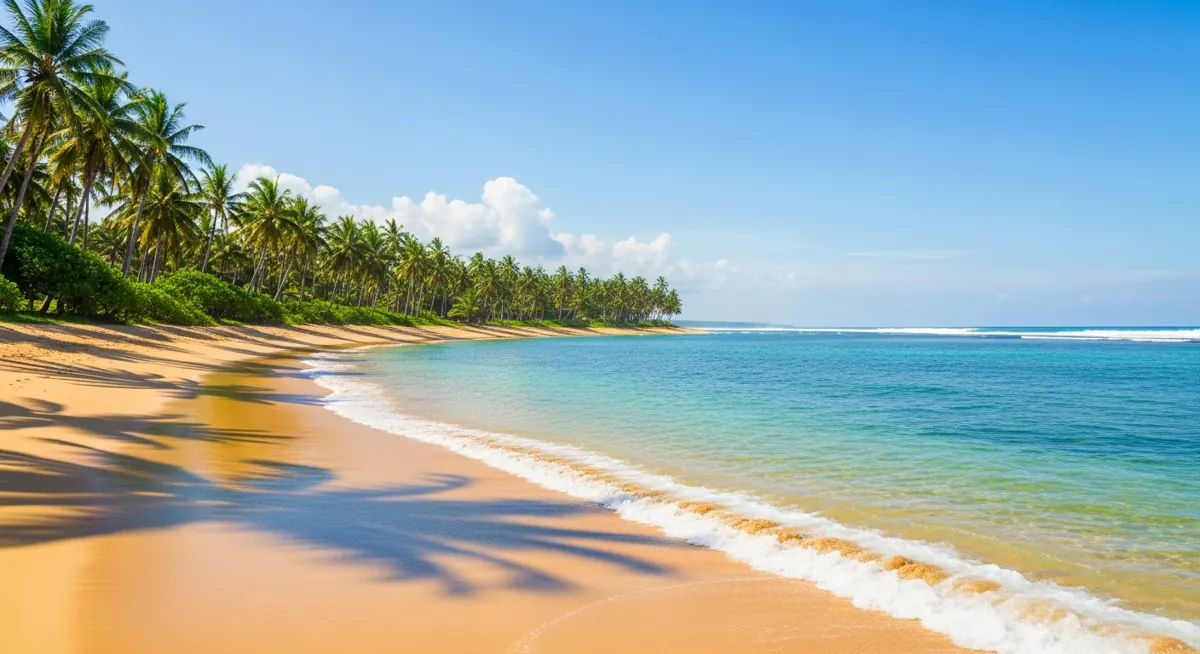
The first step in choosing an eco-friendly yacht charter is to understand what constitutes eco-friendly practices in the maritime industry. Look for yacht charter companies that adhere to the following principles:
- Waste Management: Effective waste management systems, including recycling and proper disposal of sewage, are essential. Eco-friendly yachts should have treatment plants that minimize pollution.
- Energy Efficiency: Vessels that utilize renewable energy sources, such as solar panels or wind turbines, reduce carbon footprints. Look for yachts equipped with these technologies.
- Marine Conservation: Companies that actively participate in marine conservation initiatives demonstrate a commitment to protecting the marine environment. This can include partnerships with local conservation projects or contributions to marine protected areas.
Types of Eco-Friendly Yachts
In Indonesia, you can choose from various types of yachts that cater to eco-conscious travelers:
- Luxury Yachts: Many luxury yacht charters now incorporate eco-friendly practices. These vessels often come equipped with high-end amenities while maintaining sustainability standards.
- Traditional Phinisi Boats: These traditional Indonesian wooden boats are often made from sustainable materials and are operated in a manner that respects local marine ecosystems. They provide an authentic experience while prioritizing eco-friendliness.
- Diving Liveaboards: If diving is your passion, choose a liveaboard that focuses on sustainable diving practices. This includes limiting the number of divers, using mooring buoys instead of anchoring, and following responsible diving protocols.
Choosing Eco-Friendly Destinations
The destination you choose plays a significant role in the sustainability of your yacht charter experience. Indonesia is home to numerous marine parks and conservation areas that are committed to protecting the environment.
- Bali: Known for its vibrant marine life and coral reefs, Bali has several eco-friendly initiatives aimed at preserving its natural beauty. Look for charters that promote responsible tourism.
- Raja Ampat: This region is recognized globally for its biodiversity. Many yacht charters here emphasize conservation, such as supporting local communities and adhering to sustainable fishing practices.
- Komodo Islands: Home to the famous Komodo dragons, this area also offers rich marine ecosystems. Ensure your charter supports local conservation efforts and minimizes environmental impact.
Researching Yacht Charter Companies
Once you have identified your preferred vessel type and destination, it’s essential to research yacht charter companies thoroughly. Consider the following:
- Reputation: Look for reviews and testimonials from previous customers. Websites and forums dedicated to travel can provide insights into the experiences of others.
- Certifications: Check if the charter company has any eco-certifications, such as ISO 14001 for environmental management or other local eco-labels that indicate sustainable practices.
- Transparency: A reputable company should be transparent about their sustainability practices, providing clear information on how they minimize their environmental impact.
Impact on Local Communities
Choosing an eco-friendly yacht charter also means considering the impact on local communities. Responsible tourism should benefit the local economy and culture. Here are some factors to keep in mind:
- Local Employment: Opt for companies that hire local crew members and guides, as this supports the community economically and provides authentic local experiences.
- Cultural Respect: Choose charters that emphasize respect for local customs and traditions, fostering positive interactions between tourists and residents.
- Community Projects: Some charter companies engage in community initiatives, such as supporting local schools or conservation projects. This can enhance your experience while contributing positively to the area.
Seasonal Considerations
Timing your yacht charter can also impact your eco-friendly experience. The best time to visit Indonesia varies depending on the region:
- Bali: The dry season from April to October is ideal for sailing and exploring, with calm seas and good visibility for diving.
- Raja Ampat: Visit between October and April for optimal diving conditions, as this period offers warm water temperatures and excellent marine visibility.
- Komodo Islands: The best time to explore is from April to December, aligning with the dry season, which is perfect for both diving and wildlife watching.
Budgeting for Your Eco-Friendly Yacht Charter
While eco-friendly yacht charters can vary widely in cost, having a clear budget can help streamline your options. Prices typically range based on the type of vessel, duration of the charter, and season:
- Luxury Yachts: Prices can start from $2,000 to $10,000 per week, depending on the size and amenities.
- Traditional Phinisi: Expect to pay between $1,500 to $5,000 per week, which often includes meals and some excursions.
- Diving Liveaboards: Prices typically range from $1,000 to $3,500 for a week-long trip, including diving gear and meals.
Sustainability Practices of Indonesian Yacht Charters
When selecting an eco-friendly yacht charter in Indonesia, it’s crucial to assess the sustainability initiatives undertaken by the charter company. Look for operators that implement waste reduction strategies, use eco-friendly materials, and focus on energy efficiency. Such practices not only minimize environmental impact but also enhance your travel experience as you explore Indonesia’s pristine marine environments. To start your eco-conscious adventure, check availability and find a yacht that aligns with your values.
For additional planning insights, visit our faq or return to the home page.