– Always check the vessel’s safety equipment.
– Understand local weather conditions.
– Inform someone on land about your itinerary.
Understanding Safety Regulations in Indonesia
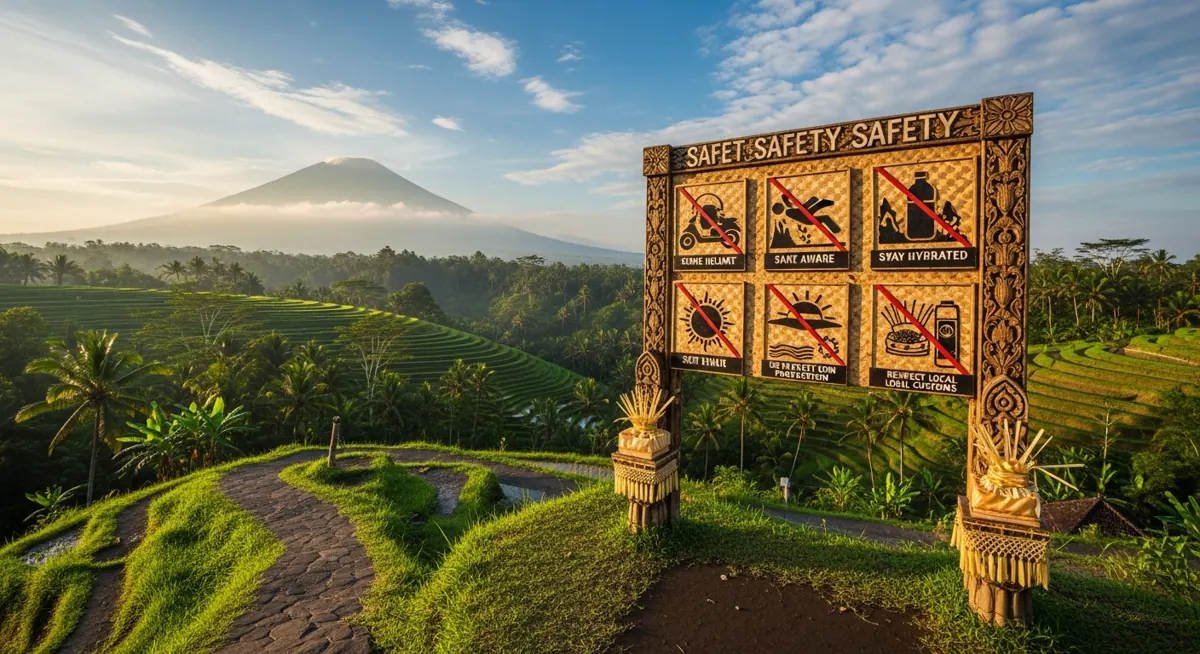
Indonesia has a diverse maritime landscape, and with it comes a range of regulations aimed at ensuring the safety of boat charters. The Indonesian government mandates that all vessels operating in its waters adhere to specific safety standards. This includes having life jackets, fire extinguishers, and first aid kits on board. Charter operators must also possess the necessary licenses and insurance. Before embarking on your journey, confirm that your chosen operator complies with these regulations.
Essential Safety Equipment
Regardless of the type of vessel you choose—be it a luxury yacht, a traditional phinisi, or a diving liveaboard—ensuring that it is equipped with the necessary safety gear is crucial.
- Life Jackets: Ensure there are enough life jackets for all passengers. They should be easily accessible and in good condition.
- Emergency Beacons: Look for boats equipped with Emergency Position Indicating Radio Beacons (EPIRBs) or similar devices that can alert authorities in case of emergencies.
- First Aid Kits: A well-stocked first aid kit should be available on board. Ensure that the crew knows its location and is trained to use it.
Weather Awareness
The Indonesian archipelago experiences varying weather patterns that can significantly affect your boat charter experience. Familiarize yourself with the regional climate and seasonal weather conditions:
- Peak Season: The best time to visit for smooth sailing is during the dry season, typically from April to October.
- Rainy Season: Be cautious when planning trips from November to March, as heavy rains and storms are common.
- Local Weather Reports: Always check local weather forecasts before setting out. Conditions can change rapidly in some areas, particularly around islands like Komodo and Raja Ampat.
Choosing the Right Charter Operator
Selecting a reputable charter operator is key to ensuring safety during your voyage. Here are some factors to consider:
- Licensing: Verify that the operator holds the necessary permits and licenses to operate in Indonesian waters.
- Experience: Look for operators with extensive experience in the region and positive reviews from previous customers.
- Safety Record: Inquire about the operator’s safety record and any past incidents. A good operator should be transparent about their safety practices.
Informing Others About Your Itinerary
Before you set sail, it’s advisable to inform someone on land about your planned itinerary. This includes details such as:
- Your departure point and expected return time.
- Specific locations you plan to visit, such as Bali, Lombok, or Flores.
- Contact information for the charter operator.
This practice ensures that someone is aware of your plans and can alert authorities if you don’t return as expected.
Onboard Safety Practices
Once aboard, follow these onboard safety practices to further enhance your safety while enjoying the beautiful Indonesian waters:
- Safety Briefing: Attend any safety briefings provided by the crew. They will inform you about emergency procedures and the location of safety equipment.
- Life Jacket Usage: Wear life jackets during transit and while engaging in water activities, particularly if you are not a confident swimmer.
- Alcohol Consumption: Limit alcohol consumption while on board. Alcohol can impair judgment and slow reaction times in emergencies.
Engaging in Water Activities
Indonesia offers a wealth of water activities, including snorkeling, diving, and fishing. When engaging in these activities, consider the following safety tips:
- Supervision: Always snorkel or dive with a buddy and ensure that someone on the boat is aware of your activities.
- Equipment Check: Inspect your snorkeling or diving gear before use. Make sure masks fit properly, and tanks are full and in good condition.
- Understand the Environment: Be aware of local marine life, currents, and tides. Some areas may have strong currents or dangerous wildlife.
Post-Charter Safety
After your charter experience, it’s important to remain vigilant. Here are some post-charter safety considerations:
- Debriefing: Discuss any concerns or issues with the charter operator to improve future safety measures.
- Health Precautions: Monitor your health for several days after your trip, especially if you participated in water activities. Look out for any unusual symptoms.
- Follow-Up: If you experienced any incidents during your charter, inform the appropriate authorities or agencies.
Choosing Reputable Boat Operators in Indonesia
When chartering a boat in Indonesia, it’s crucial to select operators with strong safety records and positive reviews. Research companies thoroughly, and check if they hold necessary certifications and licenses. This due diligence can greatly enhance the safety and enjoyment of your trip. For more guidance, visit our faq section for insights on boat charters in Indonesia.
Planning specifics? See Boat Charter Indonesia or contact.